
Emergency Vehicles
When Seconds Count: The Critical Role of LED Warning Lights in Emergency Response
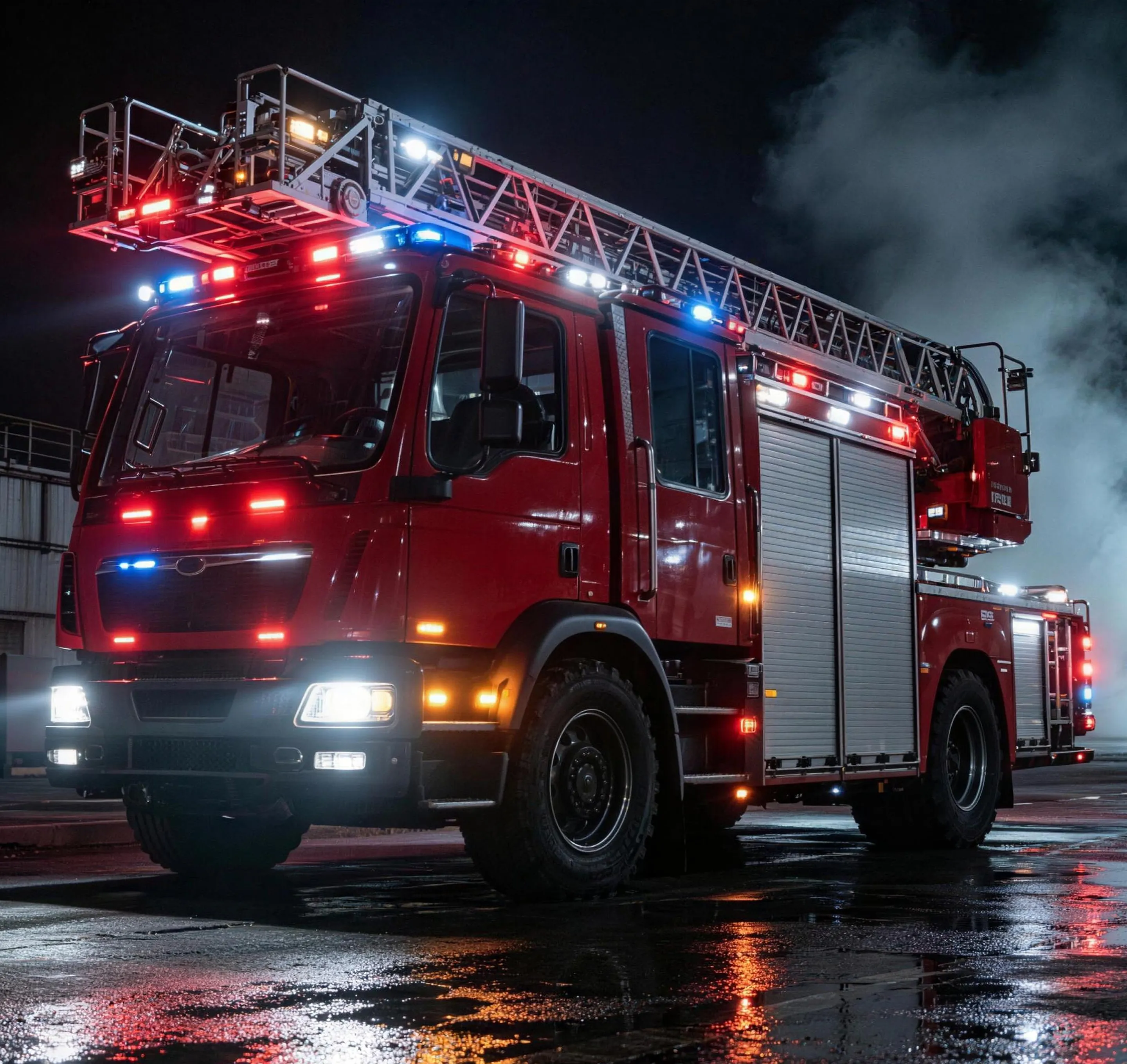
lIn the high-stakes world of emergency response, visibility is synonymous with survival. Whether navigating through dense traffic, illuminating a chaotic accident scene, or signaling urgency during a high-speed pursuit, emergency vehicle lighting must perform flawlessly. Today, advanced LED warning lights have become the ultimate safety infrastructure for law enforcement, fire, and EMS fleets, fundamentally changing how first responders protect themselves and the public.
Unmatched Visibility and Advanced Optics
Emergency responders operate in unpredictable environments where fractions of a second matter. Modern LED warning lights utilize precision TIR (Total Internal Reflection) and LIN optics to project intense, concentrated beams of light that cut through rain, fog, and blinding sunlight. Unlike older xenon or halogen systems, LEDs deliver instant-on illumination with programmable flash patterns. This allows officers and drivers to adapt their visual warnings to the specific situation, whether it’s a steady burn for traffic control or a rapid strobe for clearing intersections.
Color-Coded Communication
LED warning lights serve as a universal language on the road. Standardized color conventions help motorists instantly recognize the type of emergency and react appropriately:
Red & Blue: The universal signal for law enforcement, fire, and EMS, demanding immediate right-of-way.
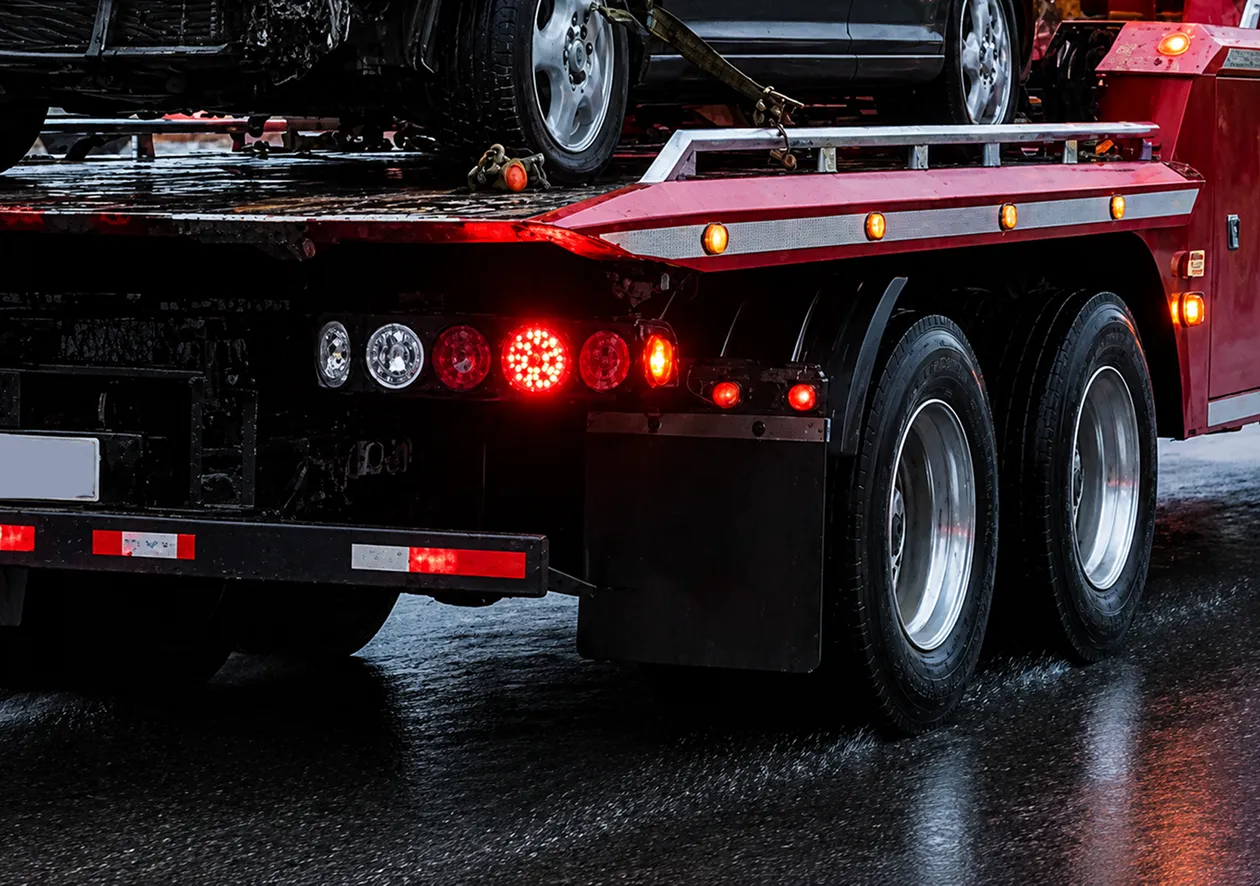
Amber & White: Critical for tow trucks, construction crews, and utility vehicles to signal caution and mark hazardous work zones.
Green: Often used by volunteer responders or to designate stationary incident command posts.
Rugged Reliability for Extreme Duty
Emergency vehicles endure relentless conditions. LED warning systems are engineered with solid-state technology, making them highly resistant to the severe vibrations of high-speed pursuits and rough terrain. Housed in IP67 or IP68 waterproof enclosures, these lights are completely sealed against dust, moisture, and extreme temperature fluctuations. Furthermore, their low power draw prevents electrical system overload, ensuring that critical sirens, radios, and medical equipment continue to operate without interruption.
Conclusion
Upgrading to professional-grade LED warning lights is an investment in operational safety and mission success. By providing superior illumination, reducing electrical strain, and offering unmatched durability, LED systems empower first responders to arrive safely, secure the scene, and save lives.
 Equipment Maintenance IndustryDelivered 15,000 meters of high-durability conveyor belts for severe extraction conditions.Learn More
 Equipment Maintenance IndustryReliable visibility products for fleet and heavy-equipment operating environments.Learn More
  Equipment Maintenance IndustryApplication-ready lighting engineered for long-haul vehicles and demanding work sites.Learn More